

Master Sciences de la Terre et des planètes, environnement
Parcours Continental Water Sustainability
Partenaires


Objectifs
Master’s programme website:
Fully taught in English, the Master’s program in Continental Water Sustainability (CWS) offers a solution-oriented education and prepares students to tackle the complex challenges related to water sustainability worldwide. Graduates are equipped to analyze problems related to socio-hydrosystems, and to design, communicate, and coordinate the implementation of innovative solutions.
Graduates are qualified for positions of responsibility in industrial companies, engineering offices, local and state authorities, and international development organizations. Additionally, students learn scientific methods and gain qualifications that allow them to pursue an academic career.
In the CWS program, students gain a thorough understanding of various disciplines related to aquatic ecosystems. They grasp the continuum from functional understanding to impact assessment and problem-solving. Students acquire knowledge in both natural and engineering sciences (such as hydrology, hydrogeology, ecology, or hydraulics), in humanities and social sciences (such as sociology, economics, management or communication). Beyond technical knowledge, students gain an understanding of systems through an interdisciplinary approach, allowing them to analyze and grasp socio-ecological interdependencies. In a holistic approach, they integrate social aspects into the processes and interactions between the physical and biological elements of the ecosystem.
Students learn to work effectively within a team, present results to non-specialists, and gain expertise in stakeholder engagement, negotiation and conflict resolution while respecting ethical standards. They also develop methods for efficient and rapid knowledge acquisition (i.e. learning by action and Hackathons).
Students progressively acquire knowledge of a wide range of solutions developed worldwide to address problems related to socio-hydrosystems. With this extensive database and multi-criteria analysis methods, including intangible aspects, they can adapt solutions already tested in other socio-ecological contexts and propose new innovative solutions. They identify obstacles to implementation and communicate solutions effectively. Additionally, they are aware of long-term monitoring and evaluation strategies to assess the performance and impact of implemented solutions over time.
Graduates of the CWS program gain the ability to apply interdisciplinary approaches to solve complex problems in water resources / socio-hydrosystem management by means of their deep understanding of water sustainability issues and their advanced methodological skills. They are well-equipped to contribute to research, innovation, and sustainable development in various water sectors
Stage
Statut
Formation ouverte aux stages
Stage de fin d'études
- Type de stage
- Type
- Obligatoire - à faire, pour l'obtention de la formation
- Lieu
- Peut être fait à l'étranger
- Période totale
- Du 14/02/2028 au 30/09/2028
- Durée totale
- 4 à 6 mois
- Semestre
- Semestre 4
- Rythme de présence en structure d'accueil
- Continu
- Type de mission(s)
The Master’s thesis project must be approved by the programme coordinator. It is worth 30 ECTS credits and may be carried out in a company, a semi-public organisation, or a university research laboratory, either in France or internationally.
Alternance
Numéro de diplôme
20181000
Référent pédagogique
Karl Matthias Wantzen
Référent administratif
Veronique Marchant
Programme des enseignements
Master 1 - Master Sciences de la Terre et des planètes, environnement - Continental Water Sustainability
Semester 1 (Karlsruhe Institute of Technology)
| CM | TD | TP | CI | |||||||||||
|---|---|---|---|---|---|---|---|---|---|---|---|---|---|---|
Field Trip1 ECTS | - | - | - | 12h | ||||||||||
| - | - | - | - | |||||||||||
| 2h | - | - | 10h | |||||||||||
| - | - | - | 12h | |||||||||||
| - | - | - | - | |||||||||||
| - | - | - | 10h | |||||||||||
| - | - | - | 10h | |||||||||||
| - | - | - | - | |||||||||||
| - | - | - | - | |||||||||||
| - | - | - | - | |||||||||||
| - | - | - | - | |||||||||||
| - | - | - | - | |||||||||||
Water and Energy Cycles6 ECTS | - | - | - | - | ||||||||||
Coding3 ECTS | - | - | - | - | ||||||||||
| ||||||||||||||
Preparatory Projects3 ECTS | - | - | - | - | ||||||||||
| - | - | - | - | |||||||||||
| - | - | - | - | |||||||||||
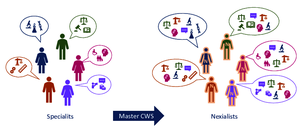
Nexialism Training Sem 11 ECTS | - | - | - | 20h | ||||||||||
Semester 2
| CM | TD | TP | CI | |||||||||||
|---|---|---|---|---|---|---|---|---|---|---|---|---|---|---|
| - | - | - | - | |||||||||||
| - | - | - | - | |||||||||||
| - | - | - | 20h | |||||||||||
| - | - | - | 10h | |||||||||||
| 20h | - | - | - | |||||||||||
Solutions to Pollution 6 ECTS | - | - | - | - | ||||||||||
| 12h | 8h | 4h | - | |||||||||||
| - | - | - | 14h | |||||||||||
| 30h | - | - | - | |||||||||||
| - | - | - | - | |||||||||||
| 8h | 22h | - | - | |||||||||||
| 8h | 12h | - | - | |||||||||||
| 10h | - | - | 10h | |||||||||||
| - | - | - | - | |||||||||||
| - | - | 8h | - | |||||||||||
| - | - | - | - | |||||||||||
| - | - | - | - | |||||||||||
Foreign Language3 ECTS | - | - | - | - | ||||||||||
| ||||||||||||||
Nexialism Training Sem 21 ECTS | - | 20h | - | - | ||||||||||
Master 2 - Master Sciences de la Terre et des planètes, environnement - Continental Water Sustainability (ouverture en 2027-2028)
Semester 3
| CM | TD | TP | CI | |||||||||||
|---|---|---|---|---|---|---|---|---|---|---|---|---|---|---|
| - | - | - | - | |||||||||||
| 20h | 17h | 3h | - | |||||||||||
| 20h | - | - | - | |||||||||||
| 4h | 26h | - | - | |||||||||||
| 30h | - | - | - | |||||||||||
| - | - | - | - | |||||||||||
| - | - | - | - | |||||||||||
| 18h | 20h | - | - | |||||||||||
| - | - | - | - | |||||||||||
| - | - | - | - | |||||||||||
| - | - | - | - | |||||||||||
| - | - | - | - | |||||||||||
Foreign Language3 ECTS | - | - | - | - | ||||||||||
| ||||||||||||||
Nexialism Training Sem 31 ECTS | - | - | - | - | ||||||||||
| ||||||||||||||
Semester 4
| CM | TD | TP | CI | |
|---|---|---|---|---|
Internship30 ECTS | - | - | - | - |
Campus
Campus Esplanade
Campus Karlsruhe
Établissement(s) partenaire(s)
Karlsruher Institut für Technologie (KIT)
École nationale du génie et de l'eau et de l'environnement de Strasbourg (ENGEES)